

In January 2026, a busted sewer line in Maryland dumped more than 200 million gallons of raw sewage into the Potomac River near Washington, D.C. The impact on nearby communities, and on the planet, was immediate and widespread.
While this is the largest sewage spill in U.S. history, it certainly hasn’t been the only one. In fact, others have already caused public health and environmental concerns this year.
As wastewater infrastructure ages and growing populations put greater pressure on the systems, such disasters are likely to grow more commonplace. But there is something simple we can do to help: Be mindful of what we flush and put down our drains.
Your Toilet Is Connected to Everything
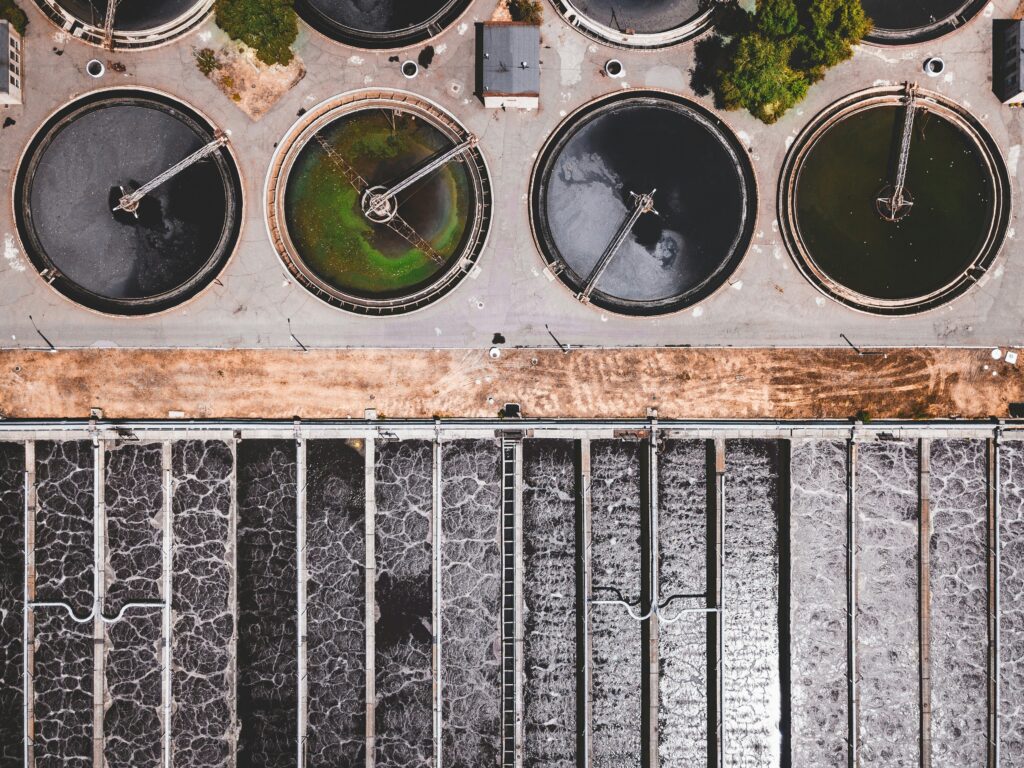
When you flush, that water travels through a shared network of pipes on its way to a wastewater treatment plant — the last line of defense between what leaves your home and the rivers, lakes, and waterways that sustain our ecosystems. That system is only as strong as what we put into it. When we treat our drains and toilets as a catch-all for things they were never designed to handle, we weaken every link in that chain.
The rule is simple: Only flush toilet paper and products specifically labeled as flushable. Everything else belongs in the trash: wipes marked with the Do Not Flush symbol, period products, paper towels, cotton balls, dental floss, medications, etc.
Non-flushable items don’t break down in water. They travel through pipes, snag on imperfections or congeal into masses with fats, oils, and grease, and lead to major blockages or breaks — like the kind that caused the overflows and spills making headlines this year.
Don’t Forget About the Kitchen!
Here’s a piece of the puzzle that often gets overlooked: your kitchen drain matters just as much as your toilet.
FOGs — Fats, Oils, and Grease — are a leading cause of sewer blockages. When you pour bacon grease, cooking oil, or butter down the drain, it may flow freely while warm. But as it cools inside pipes, it solidifies. And when it meets non-flushable debris from the toilet? It acts like glue, binding everything together into massive blockages capable of rupturing pipes and triggering spills.
Keep FOGs out of the system:
- Let grease cool and solidify, then scrape it into the trash
- Wipe greasy pans with a paper towel before washing
- Never pour frying oil down the drain — no matter how much dish soap follows it
Simple Habits, Big Impact
A few easy changes go a long way:
In the bathroom:
- Keep a small trash can next to the toilet for makeup and cleaning wipes, floss, period products, etc.
- Never flush medications — use a local drug take-back program instead
In the kitchen:
- Use a drain strainer to catch food scraps
- Collect FOGs in an old jar or can and throw it away
Around the house:
- Watch for early warning signs of a blockage: slow drains, gurgling sounds, or unpleasant odors — and address them before they escalate
- Know where your home’s main water shut-off valve is located
Why It All Matters
A clog that starts in your pipes doesn’t always stay there. Pressure builds. Backups happen. And when municipal systems are overwhelmed by preventable blockages — many caused by items that shouldn’t have been flushed and FOGs working together — the result can be severe: raw sewage in our waterways, public health alerts, and lasting environmental damage.
Many sewage overflows are the accumulated result of daily decisions made in homes just like yours. That means the solution is also within our reach.
This Earth Month, commit to a smarter, more holistic approach: flush only what belongs, keep FOGs out of the drain, and stay attentive to your home’s plumbing.
These small habits, multiplied across millions of households, add up to cleaner waterways and healthier communities.