

Winter is here, and with it comes the usual worries about icy roads, bundling up, and — for homeowners — frozen pipes.
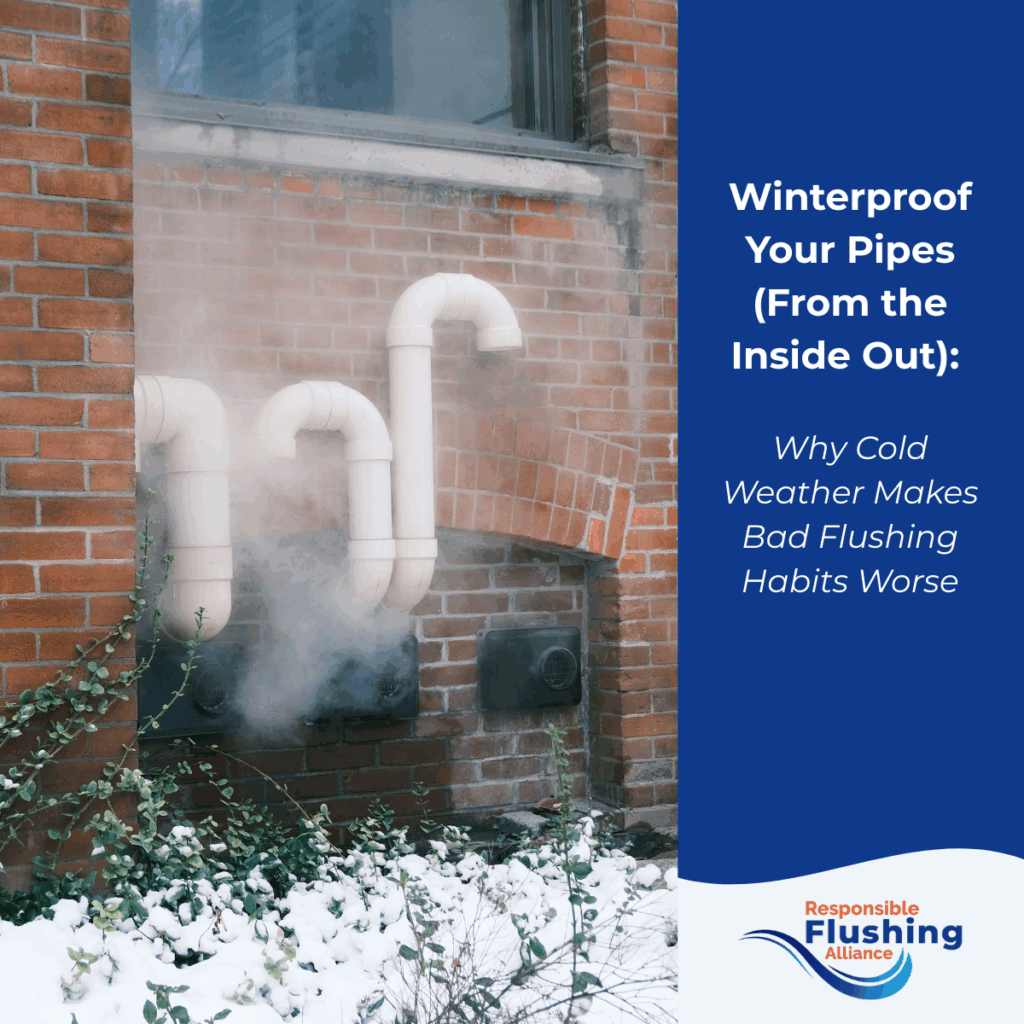
External pipe protection, like proper insulation, is essential for preventing freezing and bursting, but many people overlook another crucial factor for safeguarding plumbing in the winter: What’s on the inside.
What you flush down your toilet and pour down your drain has a big impact, one that cold weather only intensifies. Here’s how you can protect your pipes from the inside:
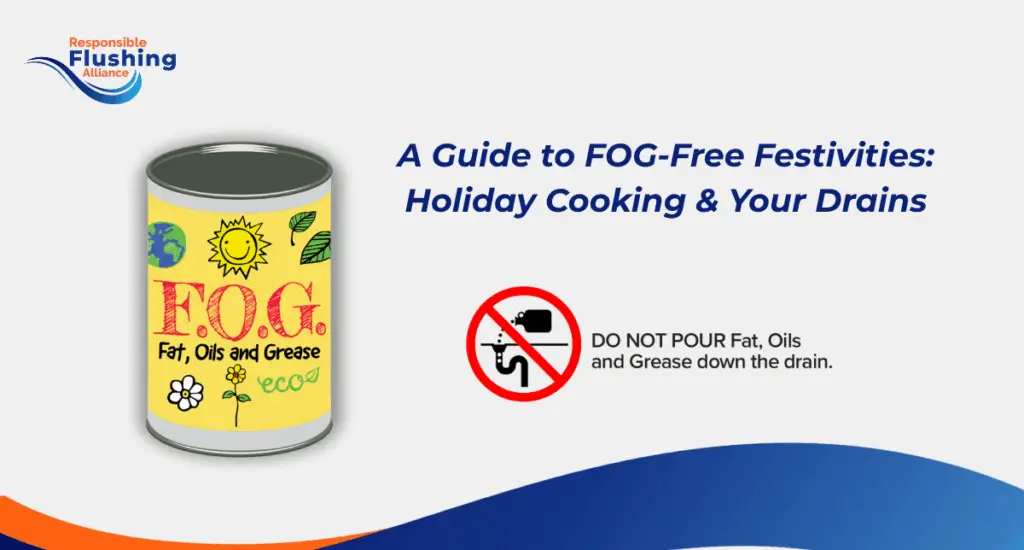
- Dispose of fats, oils and grease (FOGs) — like bacon grease, cooking oil, and food scraps — in the trash, never the drain or toilet.
FOGs are byproducts of food items, cooking and even some personal care products. When they are poured down the drain or flushed down the toilet, they accumulate and congeal inside your pipes — a process that accelerates dramatically in lower temperatures. They can form blockages, called “fatbergs,” which can then lead to problems with home plumbing and sewer systems.
The good news is that preventing FOGs is as easy as it is important. Scrape all food scraps and excess grease from dishes and cookware before washing. Use a paper towel to wipe out any remaining grease or oil and dispose of it in the trash. And for larger quantities of liquid FOGs (like meat drippings or used cooking oil), pour them into a disposable container, allow it to cool and solidify, and then throw it away.
- Avoid flushing items that shouldn’t go in the toilet, like cotton swabs, dental floss, feminine hygiene products, and Do Not Flush wipes.
While FOGs congeal and accumulate faster in the cold, your pipes themselves are also more susceptible to damage in the winter. Many pipe materials, especially older ones like cast iron or PVC, can become more brittle and less flexible when the temperature drops.
When you flush items that aren’t meant to go down the toilet, like cotton swabs, dental floss, feminine hygiene products, or Do Not Flush wipes, they don’t break down like toilet paper. Instead, they catch on rough spots in pipes, accumulate, and form gnarly clogs. In brittle pipes, the pressure exerted by these clogs, or the abrasive action of these materials trying to pass through, can lead to cracks, leaks, and even burst pipes.
The result? Expensive repairs, significant water damage to your home, and potential sewer system failures that can impact your entire community.
One simple way to flush more responsibly is to have a trashcan with a lid next to the toilet. Remember, anything that’s not human waste, toilet paper or wipes labeled as flushable should go into the trash can and never the toilet.
- Check for the Do Not Flush symbol on wipes packaging.
Speaking of wipes, the distinction between flushable and Do Not Flush is easy to see. Wipes that are commonly found in the bathroom but not meant for flushing —baby wipes, cleaning wipes, makeup wipes — are not meant to go down the toilet and have the Do Not Flush symbol on their packaging.
These wipes are designed to be highly durable and will not break apart in water like toilet paper or wipes labeled as flushable, which are designed to do so. Check wipes packaging for the Do Not Flush symbol, and if you see it, put the wipe in the trash.
This winter, as you take steps to keep your home warm and cozy, don’t forget about your pipes! Understanding how cold weather amplifies the risks of improper flushing can save you from costly headaches and unpleasant backups while helping you contribute to healthier public infrastructure for all.